Water Line Repair in Richardson, TX
We trace leaks, damaged pipes, and failing shutoffs in Richardson.
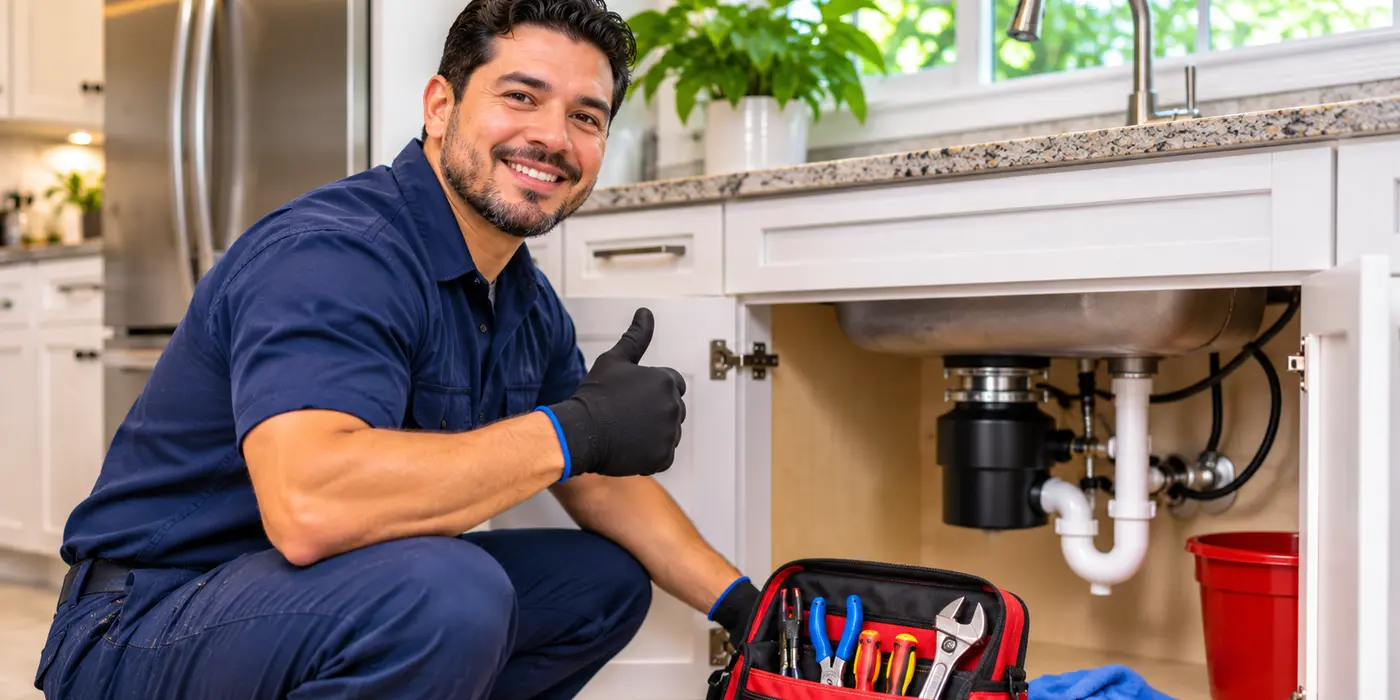
Homeowners call us when they say there is a wet spot by the wall, the water is weak at one sink, or the meter keeps moving when nothing is on. Those are everyday descriptions of a possible water-line problem: a leak in a supply pipe, a failing fitting, a loose valve connection, or water escaping below a slab or behind drywall.
Those signs do not always point to the same pipe. A wet cabinet floor can come from an angle stop beneath a sink, while a damp section of drywall may mean water has traveled from a fitting several feet away.
A suspected water-line leak should not wait because water can keep entering framing, insulation, flooring, or soil while the pipe remains pressurized. We check the line source before a small damp area becomes a larger wall or floor repair.
Wet spot and weak water
Low water at a shower, a sink that suddenly spits air, or a faucet that runs weaker than the rest of the house can indicate a restricted or leaking supply line. We also hear about a hissing sound inside a wall, a warm patch on a floor, and a water meter that continues to register use after fixtures and appliances are off.
Standing water near a water heater, sink cabinet, exterior wall, or foundation can come from a split pipe, corroded fitting, damaged valve, or connection that has worked loose. They can look alike from the room, yet each fault has its own repair scope, parts, and charge once we locate the source.
Water line inspection
We start the inspection by checking the visible pipe, shutoff valves, fittings, fixture connections, and water meter, then isolate sections where access allows. We measure pressure at a fixture and compare meter movement with the house water use stopped; residential supply pressure is commonly kept between 40 and 80 psi. The initial inspection, meter check, and pressure testing generally take 30 to 60 minutes, depending on the pipe route and access.
For an exposed copper, PEX, or CPVC section, we can often replace the damaged pipe, fitting, or reachable shutoff during the same visit. A line behind tile, inside a wall, beneath a slab, or requiring an ordered valve may need a separate repair appointment after we identify the route and materials.
Pipe material and valve access
Pipe material and valve access determine much of the repair scope for a water line. An exposed PEX connection under a cabinet is different work from copper pipe inside a finished wall or a service line that runs beneath concrete, landscaping, or a driveway.
An older shutoff valve that has seized can add work because closing or removing it may affect the connected pipe and fittings. If a matching valve, specialty fitting, permit, or municipal sign-off is needed, we account for those requirements before the repair is scheduled.
Fixture room and fitting age
Before you call, note which room and fixture show the wet spot, weak flow, sound, or water damage. Tell us whether the water is running now, whether the main shutoff operates, and whether the pipe is visible through a cabinet, crawl space, utility room, or access panel.
Tell us the age of the fitting if you know it, along with the pipe material and any make or model marking printed on a valve body or appliance connection. A photo of the shutoff, supply tube, and damaged area can help us identify the likely parts. Call The Richardson Plumber at (972) 435-0512 before a leaking water line can keep soaking drywall, framing, flooring, or soil.
Next: toilet installation, or back to the home page.